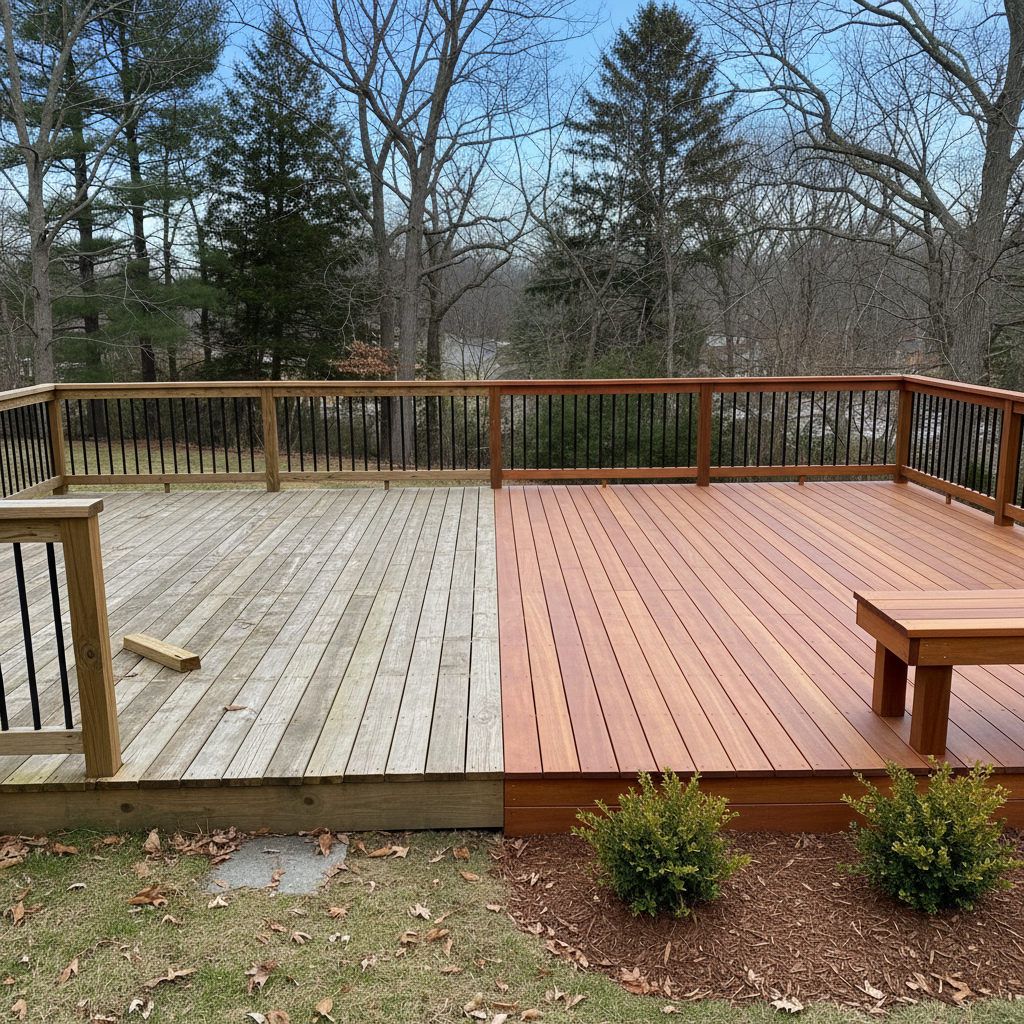
So, you're dreaming of a new wooden deck, huh? That's awesome. Seriously, nothing beats the natural look and feel of wood for a backyard space. But when you start digging into it, you'll quickly find there are a couple of main routes you can go: pressure-treated lumber or natural cedar. Both are wood, sure, but they're pretty different in how they'll perform and what they'll cost you here in New Haven.
Pressure-Treated Pine: The Decking Workhorse
Let's start with pressure-treated pine. This is probably what you see most often around town, especially on older homes or in projects where folks are watching their budget. It's usually Southern Yellow Pine that's been chemically treated to resist rot, decay, and insect infestation. That treatment makes it suitable for outdoor use; otherwise, untreated pine would just fall apart in a couple of seasons.
- Cost: This is where pressure-treated really shines. It's significantly less expensive upfront than cedar. If you're on a tighter budget, this is your go-to.
- Durability: It's tough stuff. The treatment makes it very resistant to the elements, which is a big plus with our New Haven winters and the occasional wet spring. It holds up well against moisture, which is good if your yard tends to stay damp, like some of those low-lying spots near the Quinnipiac River.
- Maintenance: You'll definitely need to seal or stain it regularly, usually every 1-3 years, to protect it from UV damage and keep it looking good. If you skip this, it'll turn gray and can start to splinter.
- Appearance: It's got a greenish tint when new, which fades over time. It takes stains well, so you can customize the color. It's not as naturally beautiful as cedar, and it can be prone to checking and cracking as it dries out.
Cedar: The Natural Beauty
Now, cedar. When people talk about a 'classic' wooden deck look, they're often picturing cedar. It's naturally resistant to rot, decay, and insects because of oils in the wood itself. You'll often see Western Red Cedar used for decking.
- Cost: Cedar is more expensive than pressure-treated lumber, sometimes significantly so. You're paying for that natural resistance and premium look, after all.
- Durability: It's naturally durable, but it's a softer wood than pine. This means it can dent and scratch more easily. While it resists rot, it can still show wear from foot traffic over time. It handles our New Haven weather well, but you'll want to keep it protected.
- Maintenance: Like pressure-treated, cedar needs regular sealing or staining to maintain its color and prevent it from turning a silvery-gray. Some folks actually like that gray patina, but if you want to keep the warm tones, you'll need to stay on top of it.
- Appearance: This is cedar's strong suit. It has a beautiful, rich color with attractive grain patterns. It smells great too! It just has a more upscale, natural aesthetic right out of the gate.
Which One Should You Pick for Your New Haven Home?
Alright, so what's the verdict for a homeowner here in New Haven? Both are solid choices, but they cater to different priorities.
If budget is your absolute top concern, and you don't mind a bit more work with staining every couple of years, pressure-treated pine is a fantastic, durable option. It'll give you a great outdoor space without breaking the bank. It's a workhorse, and with proper care, it'll last you a long time.
If you're after that premium, natural look, and you've got a bit more room in your budget, cedar is a beautiful choice. It offers natural resistance and a gorgeous aesthetic that's hard to beat. You'll still need to maintain it, but you're starting with a more visually appealing material.
Here at Decks Unlimited New Haven, we build with both, and we've seen them hold up well through plenty of Connecticut seasons. For most folks, especially with the fluctuating lumber prices we've seen, pressure-treated offers the best bang for your buck without sacrificing too much on durability. You can always dress it up with a great stain color and some nice furniture, right? But if you want that natural, aromatic beauty, cedar is a real treat.
Ultimately, it comes down to what you value most for your backyard oasis. Think about your budget, how much maintenance you're willing to do, and the look you're going for. Either way, you'll be enjoying your new deck for years to come.