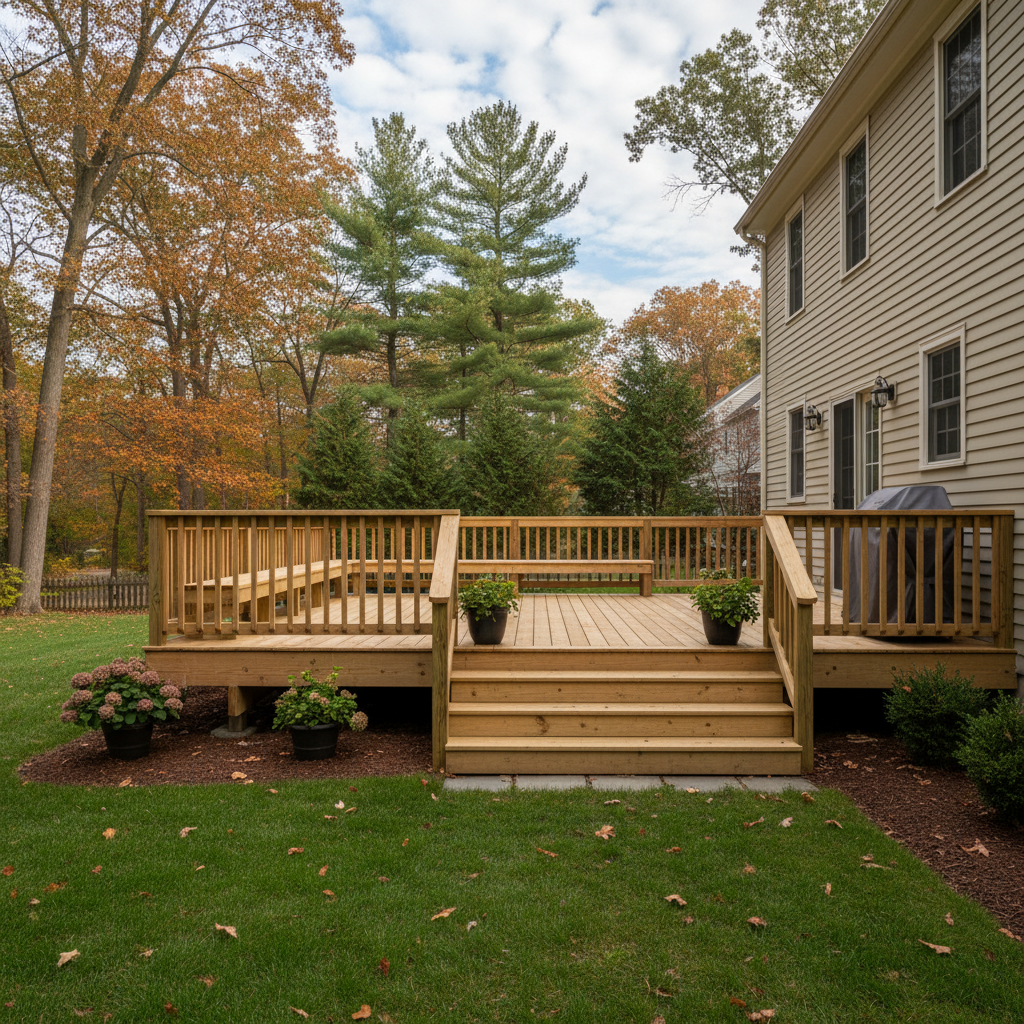
So, when's the best time to build a deck around here in New Haven? That's a question I hear a lot, and honestly, there isn't one perfect answer. It really hinges on what you're hoping to get out of it, your budget, and how fast you want to be grilling on your new outdoor spot. But I can definitely tell you how our local New Haven weather affects every single step, from digging the first hole to enjoying your deck for years to come.
What New Haven's Weather Does to Deck Building
We see it all in Connecticut, don't we? Sweltering, muggy summers; chilly, damp springs and falls; and winters that can either dump a mountain of snow or just be plain cold and wet. This isn't just idle chatter, either; it directly impacts how we build decks. Concrete footings, for example, need certain temperatures to cure correctly. Wood expands and shrinks with moisture, and even the ground itself can be a real headache if it's too frozen or too muddy.
Take spring, for instance. If you're building then, you're often wrestling with a lot of groundwater. Our soil, especially in spots like Westville or near the Quinnipiac River, can get pretty waterlogged. Digging footings in that kind of mud isn't just messy; it can complicate things and really slow us down. We absolutely have to make sure everything's stable before we even think about framing.
When I Suggest You Schedule Your Deck Project
I usually tell folks to aim for late spring through early fall for the main construction. Here's my reasoning:
- Late Spring (May-June): By this time, the ground has typically dried out enough from the winter snowmelt and spring rains. Temperatures stay consistently above freezing, which is just right for pouring concrete and working with materials. Plus, you'll still have most of the summer ahead to kick back on your brand-new deck.
- Summer (July-August): Generally, this is fantastic building weather. Long daylight hours mean our crew can get a ton done. The only real drawback? This is prime time for most contractors, including us at Decks Unlimited New Haven, so you'll want to get your booking in well ahead of time.
- Early Fall (September-October): This is often my personal favorite time to build. The air feels crisp, humidity drops, and we see fewer pop-up thunderstorms than in summer. It's comfortable for the crew, and the conditions are super stable for construction. You'll have your deck ready just in time for those gorgeous fall evenings and holiday gatherings.
Can you build in winter? Sure, we can, but it brings its own set of challenges. Frozen ground makes digging a nightmare, for one. Concrete work needs special additives and protection from freezing temperatures. Plus, cold hands and shorter days mean everything moves a bit slower. It usually ends up being more expensive because of all the extra effort and materials needed to fight the cold. Unless you have a really urgent reason, I'd honestly say just wait until spring.
Keeping Your Investment Safe All Year Round
Once your deck is built, our New Haven weather doesn't stop trying to wear it down. Here's how to keep it looking great and lasting for ages:
- Winter Prep: Before that first heavy snow hits, clear off any furniture, planters, or grills. Don't let snow pile up too high on your deck for long stretches, especially if it's wood. Constant moisture can really lead to rot and mildew. When you shovel, use a plastic shovel and be careful not to gouge the deck surface. And please, avoid rock salt or de-icers; they can be super corrosive to both wood and composite materials. Sand is a much better, safer choice for traction.
- Spring Cleaning: As soon as the snow melts and things start to dry out, give your deck a good scrub. A soft-bristle brush and a mild deck cleaner (check what your manufacturer recommends for composite, or a good oxygen bleach cleaner for wood) will work wonders. Power washing is okay, but use a low-pressure setting and keep the nozzle moving to avoid damaging the surface, especially with wood.
- Summer Maintenance: Keep an eye out for any loose fasteners, splinters, or spots where the finish might be wearing thin. If you have a wooden deck, this is a good time to think about re-staining or sealing if it's due. The warm, dry weather helps the finish cure properly, which is a big plus.
- Fall Check-Up: Before the leaves start falling and staying wet, clear off any debris. Wet leaves sitting on your deck can trap moisture and cause staining or mildew. Check your railings, stairs, and decking for any signs of wear or damage that might need a little attention before winter really kicks in.
Taking these seasonal steps seriously will make a huge difference in how long your deck lasts. It's not just about building it right; it's about taking care of it once it's done. You've put money into a fantastic outdoor space; let's make sure it stays that way for many years of enjoyment, shall we?